

·
Mekanisk skada·
Insektsskador
·Sjukdomssymptomtas bort före bearbetning.
De bästa fabrikerna implementerar flera sorteringssteg för att garantera produktkonsistens.
Inuti produktionsprocessen för konserverad loquat
Många köpare ser aldrig vad som händer inuti en fruktkonserveringsanläggning.
Här är en förenklad översikt.1. Mottagning av råmaterial
Färska mispel anländer från kontrakterade fruktträdgårdar.
Kvalitetsinspektörer utvärderar:
·
Färg
·
Sockernivå
·Fasthet
·Fruktstorlek
2. TvättFrukten rengörs noggrant för att avlägsna:
·Damm
·Löv
·Fältrester
3. Skalning och borttagning av fröDetta steg är avgörande.
Loquatfrön är relativt stora.
Noggrann bearbetning krävs för att undvika att skada köttet.
4. Sortering
Arbetare och kvalitetskontrollteam tar bort:
·Trasig frukt
·Missformad frukt
·Defekt frukt
5. FyllningFärdig frukt packas i behållare.
Förpackningsalternativ kan inkludera:
·Plåtburkar
·Lättöppnade burkar
·Glasburkar
6. Tillsats av sirapLätt sirap används ofta.
Detta hjälper till att bevara smak och konsistens.7. Utmattning och sömning
Luft avlägsnas före försegling.Detta förbättrar produktens stabilitet och hållbarhet.
8. Sterilisering
Kommersiell sterilisering säkerställer livsmedelssäkerhet.
Temperatur och bearbetningstider kontrolleras noggrant.
9. Kylning och inspektion
Färdiga produkter genomgår:
·
Vakuumtestning
·
Söminspektion
·
Utseendekontroller
10. Lagerhållning
Produkterna lagras fram till leverans.
Varför förpackningar är viktigare än de flesta köpare inser
Här är grejen.Många importörer fokuserar enbart på fruktens kvalitet.
Förpackningskvaliteten är lika viktig.Vi har sett problem med helt okej fruktprodukter eftersom förpackningsspecifikationerna inte granskades noggrant.
Vanliga problem inkluderar:·
Rost under sjötransport
·Felaktig vidhäftning av etiketter·
Kartongkollaps i fuktiga miljöer
·
Skador på containerlastning
Professionella tillverkare erbjuder vanligtvis:Enkla öppna ändar
Populär bland konsumenter i detaljhandeln.
Ingen konservöppnare krävs.
Standardändar
Ofta föredragen för livsmedelsservice.
Privata etikettförpackningar
OEM-kunder kan begära:
·Anpassade etiketter
·Anpassade kartonger
·Flerspråkig konstverk
Surface Quality
Fruit with:
· Mechanical damage
· Insect damage
· Disease symptoms
is removed before processing.
The best factories implement multiple sorting stages to guarantee product consistency.
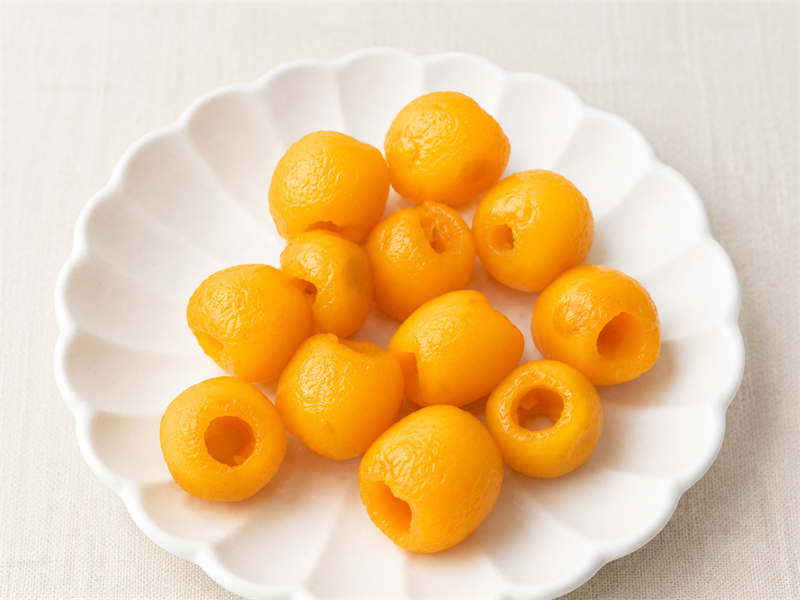
Inside the Production Process of Canned Loquat
Many buyers never see what happens inside a fruit canning facility.
Here's a simplified overview.
1. Raw Material Reception
Fresh loquats arrive from contracted orchards.
Quality inspectors evaluate:
· Color
· Sugar level
· Firmness
· Fruit size
2. Washing
The fruit is thoroughly cleaned to remove:
· Dust
· Leaves
· Field residues
3. Peeling and Seed Removal
This step is critical.
Loquat seeds are relatively large.
Careful processing is required to avoid damaging the flesh.
4. Sorting
Workers and quality control teams remove:
· Broken fruit
· Misshapen fruit
· Defective fruit
5. Filling
Prepared fruit is packed into containers.
Packaging options may include:
· Tin cans
· Easy-open cans
· Glass jars
6. Syrup Addition
Light syrup is commonly used.
This helps preserve flavor and texture.
7. Exhausting and Seaming
Air is removed before sealing.
This improves product stability and shelf life.
8. Sterilization
Commercial sterilization ensures food safety.
Temperature and processing times are carefully controlled.
9. Cooling and Inspection
Finished products undergo:
· Vacuum testing
· Seam inspection
· Appearance checks
10. Warehousing
Products are stored until shipment.
Why Packaging Matters More Than Most Buyers Realize
Here's the thing.
Many importers focus only on fruit quality.
Packaging quality is equally important.
We've seen perfectly good fruit products encounter problems because packaging specifications were not carefully reviewed.
Common issues include:
· Rust during sea transportation
· Label adhesion failures
· Carton collapse in humid environments
· Container loading damage
Professional manufacturers typically offer:
Easy Open Ends
Popular for retail consumers.
No can opener required.
Standard Ends
Often preferred for foodservice applications.
Private Label Packaging
OEM customers may request:
· Custom labels
· Custom cartons
· Multi-language artwork
· Market-specific compliance information
This flexibility is particularly important for supermarket brands and regional distributors.
OEM and Private Label Opportunities
Private label fruit products continue growing worldwide.
Many distributors want their own brand without investing in manufacturing facilities.
OEM services generally include:
· Label design support
· Packaging customization
· Regulatory documentation
· Container loading optimization
· Export logistics support
We've noticed that many supermarket chains now prefer private-label canned fruit because it helps improve margins while strengthening brand identity.
For canned loquat products, OEM solutions can be adapted to:
· Retail markets
· Foodservice channels
· Wholesale distributors
· E-commerce brands
Applications of Canned Loquat
One reason for growing demand is versatility.
Direct Consumption
The simplest use.
Consumers can enjoy the fruit directly from the can.
Desserts
Loquats work well in:
· Fruit cups
· Cheesecakes
· Ice cream toppings
· Puddings
Beverages
Food manufacturers use canned loquats in:
· Fruit teas
· Smoothies
· Juice blends
Bakery Products
Loquat fruit can be incorporated into:
· Tarts
· Pastries
· Cakes
Hotel and Catering
Restaurants appreciate consistent quality and year-round availability.
Fresh fruit availability can fluctuate.
Canned fruit helps stabilize menu planning.
What Buyers Should Check Before Importing Canned Loquat
This is where things get tricky.
Not all suppliers offer the same standards.
Before placing an order, buyers should evaluate:
Factory Certifications
Look for certifications such as:
· HACCP
· BRC
· ISO systems
· FDA registration where applicable
Raw Material Sources
Ask whether the manufacturer has stable orchard partnerships.
Production Capacity
Can the supplier handle peak-season demand?
Quality Control Procedures
Request information about:
· Incoming inspections
· Process controls
· Final product testing
Export Experience
Experienced exporters generally understand:
· Destination regulations
· Label compliance
· Documentation requirements
This reduces risks during customs clearance.
Trends Driving Global Demand for Canned Loquat
Several market trends are supporting growth.
Demand for Convenient Fruit Products
Consumers want ready-to-eat options.
Interest in Asian Fruits
Many international consumers are exploring new fruit varieties.
Loquats fit this trend perfectly.
Longer Shelf-Life Requirements
Retailers continue seeking products that reduce food waste.
Expansion of Private Labels
Store brands are increasing worldwide.
This creates new opportunities for canned fruit suppliers.
Growing Foodservice Consumption
Hotels, cafés, and dessert chains increasingly use canned fruits for operational efficiency.
Frequently Asked Questions
1. What does canned loquat taste like?
Canned loquat offers a sweet and slightly tangy flavor with notes similar to apricot, peach, and citrus.
2. Is canned loquat healthy?
Canned loquat retains many beneficial nutrients from fresh fruit and provides a convenient fruit option throughout the year.
3. What is the shelf life of canned loquat?
Most properly processed canned loquats have a shelf life of approximately 24 to 36 months when stored under recommended conditions.
4. What is light syrup in canned loquat?
Light syrup contains a lower sugar concentration compared with heavy syrup and helps preserve the fruit's natural taste.
5. Can canned loquat be used in commercial food production?
Yes. Many beverage, bakery, dessert, and foodservice businesses use canned loquat as a stable ingredient.
6. Are OEM and private label services available?
Most professional manufacturers offer OEM and private label solutions including custom packaging and branding.
7. How are high quality loquats selected?
High quality loquats are selected based on maturity, size consistency, appearance, sweetness, and overall fruit condition.
8. Why is China a major source of canned loquat?
China is the world's leading loquat producer and has extensive experience in fruit cultivation, processing, and export manufacturing.
Final Thoughts
As global demand for convenient, shelf-stable fruit products continues to grow, Canned Loquat is becoming an increasingly attractive option for distributors, retailers, food manufacturers, and private-label brands. The combination of reliable supply, consistent quality, versatile applications, and long shelf life makes China Canned Fruit Canned Loquat in Light Syrup a practical choice for international markets. Buyers who focus on sourcing from experienced manufacturers with strong quality control systems and OEM capabilities are more likely to build successful, long-term canned fruit programs.